Flexible Deburring Solutions for High-Mix Manufacturing Environments
Not every manufacturer produces high volumes of identical parts. Job shops, contract manufacturers, and custom fabrication facilities often face a different reality: high part variety, low volumes per part number, and frequent changeovers. In these environments, dedicated equipment optimized for a single part family may not represent the best investment.
High-mix manufacturing presents specific challenges for deburring operations. Frequent changeovers between different parts require different tooling, abrasives, or process parameters. Dedicated fixtures for hundreds of part numbers become impractical due to cost and storage requirements. Process development time for each new part must be minimized to avoid production delays.
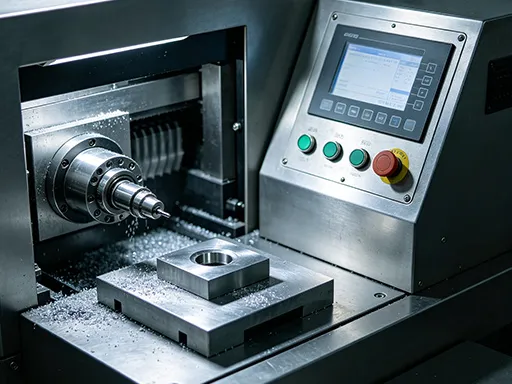
Mass finishing equipment offers inherent flexibility for high-mix environments. Vibratory bowls and tubs process parts in bulk with abrasive media, automatically adapting to part geometry. The same equipment can handle die castings, stampings, machined components, and fabricated assemblies with minimal setup. Media changes take minutes rather than hours, and no part-specific tooling is required.
Modern sheet metal deburring equipment has also evolved to address flexibility requirements. Quick-change abrasive systems allow operators to swap belts or brushes in minutes. Adjustable processing parameters can be stored and recalled for different part configurations. Universal tooling that handles a range of part widths and thicknesses reduces the need for dedicated fixtures.
Robotic deburring cells offer another approach for parts requiring precision or complex paths. Quick-change grippers and vision systems enable robots to handle different part configurations. Offline programming allows new programs to be developed without interrupting production. While robotic cells require higher initial investment, they provide unmatched flexibility for precision deburring applications.
Process standardization is essential regardless of equipment type. Standardize on a limited number of abrasive types and grades rather than specifying unique abrasives for each part. Develop standard process recipes for part families grouped by material and deburring requirements. When new parts arrive, operators apply existing recipes rather than developing processes from scratch.
For job shops and contract manufacturers, selecting deburring equipment requires balancing flexibility against productivity. Consider the range of part geometries, quality requirements, and volume distribution across your part mix. Equipment that handles variety without excessive setup often delivers better total value than dedicated solutions optimized for individual part numbers.
评论
发表评论