How to Choose the Right Deburring Equipment for Sheet Metal Fabrication
Deburring is a critical step in sheet metal fabrication that directly affects product quality, worker safety, and downstream assembly efficiency. Burrs left on cut edges can cause part misalignment, interfere with coating adhesion, and create safety hazards for operators handling finished components. Selecting the right deburring equipment transforms this often-overlooked process into a controlled, repeatable operation.
Modern deburring solutions fall into three primary categories, each suited to different applications. Sheet metal deburring equipment processes flat parts with abrasive belts, brushes, or grinding wheels that contact both surfaces simultaneously. This equipment removes burrs while creating consistent edge finishes such as radiuses or chamfers. Mass finishing systems handle complex 3D parts by tumbling them with abrasive media, making them ideal for small components with multiple burr locations. Abrasive flow machining (AFM) serves specialized applications requiring precision internal finishing, particularly in aerospace and medical device manufacturing.
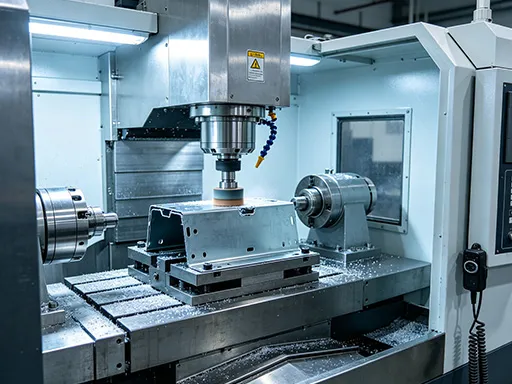
When evaluating deburring equipment, consider several key factors. Part geometry determines whether sheet metal equipment, mass finishing, or AFM is most appropriate. Production volume influences whether dedicated equipment or flexible solutions make better economic sense. Quality requirements specify the edge condition, surface finish, and dimensional tolerances the process must achieve consistently.
Material considerations also play a significant role. Harder materials like stainless steel and titanium require more aggressive abrasives or longer processing times. Equipment with adjustable parameters allows manufacturers to optimize the process for different material types without compromising quality.
Integration with existing production flows matters as well. Automated parts handling, conveyor systems, and robotic loading can significantly improve throughput. Equipment that connects seamlessly with upstream laser or plasma cutting operations reduces handling and improves overall efficiency.
The transition from manual to automated deburring delivers measurable benefits: consistent quality, reduced labor dependency, improved worker safety, and documented process control. For manufacturers seeking to upgrade their finishing operations, the investment in proper deburring equipment pays dividends across the entire production chain.
评论
发表评论